Sex education for preschool children – Teaching them the right way to protect themselves.
Posted on: 26/12/2025
Sex education for preschoolers helps children understand their bodies, recognize safe boundaries, and learn how to protect themselves. Let's explore how to teach children correctly, gently, and in an age-appropriate way.
Many parents still feel hesitant when hearing about sex education for preschool children, worrying that their child is too young to be exposed to this topic. However, in reality, sex education at the preschool age is not sensitive content. Instead, it is a process that helps children understand their own bodies, learn how to protect themselves, and form safe personal boundaries.
Teaching in the right way and at the right time is an important foundation for children to grow up confident, safe, and emotionally healthy.
What is sex education for preschool children?
Sex education for preschoolers is not about teaching sexual activities. It focuses on age-appropriate topics such as:
-
Recognizing different parts of the body
-
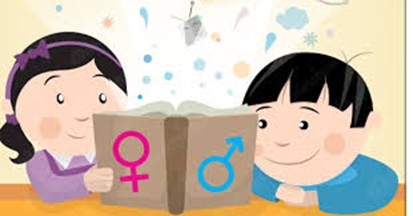
Understanding the differences between boys and girls
-
Knowing which private areas should be respected
-
Learning to say “no” when feeling unsafe
-
Knowing to seek help from trusted adults
The main goal of sex education at this stage is to help children protect themselves and develop healthy awareness.
Why is it important to provide sex education from an early age?
Helping children understand and respect their own bodies
When children understand that their bodies belong to them, they will:
-
Value and respect themselves
-
Not allow others to violate their personal boundaries
-
Confidently express their feelings when they feel uncomfortable
Helping children prevent the risk of abuse
Children who are equipped with the right knowledge will:
-
Recognize unsafe situations
-
Know how to respond and seek help
-
Not keep secrets that may put themselves in danger
Supporting healthy emotional and social development
Early sex education also helps children:
-
Understand their own emotions
-
Respect others
-
Communicate more clearly and confidently
Appropriate sex education topics for preschool children
Understanding the body and private areas
Children should be taught:
-
The correct names of body parts (in a simple and scientific way)
-
Which private areas should not be touched without permission
-
That they have the right to refuse when feeling unsafe
Teaching children to say “no” and seek help
Parents and teachers should guide children to:
-
Say “no” when they do not like or feel uncomfortable
-
Walk away and find an adult when facing scary situations
-
Always share with parents and teachers – the people they trust
Teaching children about safe boundaries
Preschool children need to understand that:
-
Not everyone is allowed to hug or touch them
-
Actions that make them uncomfortable are not acceptable
-
They do not need to keep secrets if they feel worried or scared
How should parents provide sex education for their children?
.png)
To make sex education effective, parents should:
-
Talk to children using simple, age-appropriate language
-
Avoid scaring or threatening children
-
Listen to and respect children’s questions
-
Create an environment where children feel comfortable sharing their feelings
Sex education is not a single lesson, but a long-term journey of guidance and companionship.
The role of schools in sex education for preschool children
Besides family, the preschool environment plays a very important role in shaping children’s awareness of safety.
A suitable preschool will:
-
Integrate sex education into daily routines
-
Teach children through stories, situations, and play-based activities
-
Observe and provide timely support when children encounter problems
-
Respect children’s emotions and personal boundaries
Gentle sex education at ICANDY Preschool – Binh Thanh
.jpg)
At ICANDY Preschool, sex education for preschool children is approached in a gentle, positive, and age-appropriate way:
-
Children are guided to recognize their bodies and safe boundaries through daily activities
-
Teachers always observe, listen, and respect children’s emotions
-
Content is naturally integrated through stories and group activities
-
The school works closely with parents through daily reports and workshops
The goal is to help children feel safe, protected, and heard in the learning environment.
Teach the right way today – Protect your child for tomorrow
Sex education for preschool children does not make them “grow up too fast,” but helps them:
-
Understand their bodies correctly
-
Confidently express their emotions
-
Know how to protect themselves in all situations
When taught properly, children will grow up with healthy awareness, emotional stability, and the confidence they need for their future learning journey and life.
